
There’s this package of dried mungbeans sitting in your bottom kitchen drawer isn’t it? Time to open up that long forgotten drawer and get to cooking Mungbean Curry…
Once upon a time, someone had to move and thus needed to clear out their kitchen. In an effort to use up everything, they stumbled upon a small package of mung beans that had been sitting in the drawer for years. Also, not wanting to waste any food, they decided to make a hearty and flavourful mung bean curry. By using the remaining vegetables, spices, and broth from their fridge and spice drawer, they crafted a rich and satisfying stew. Consequently, their meal not only emptied their fridge and spice drawer but also left their stomach happily full. Surely, this scenario has played out for someone, somewhere, at least once!
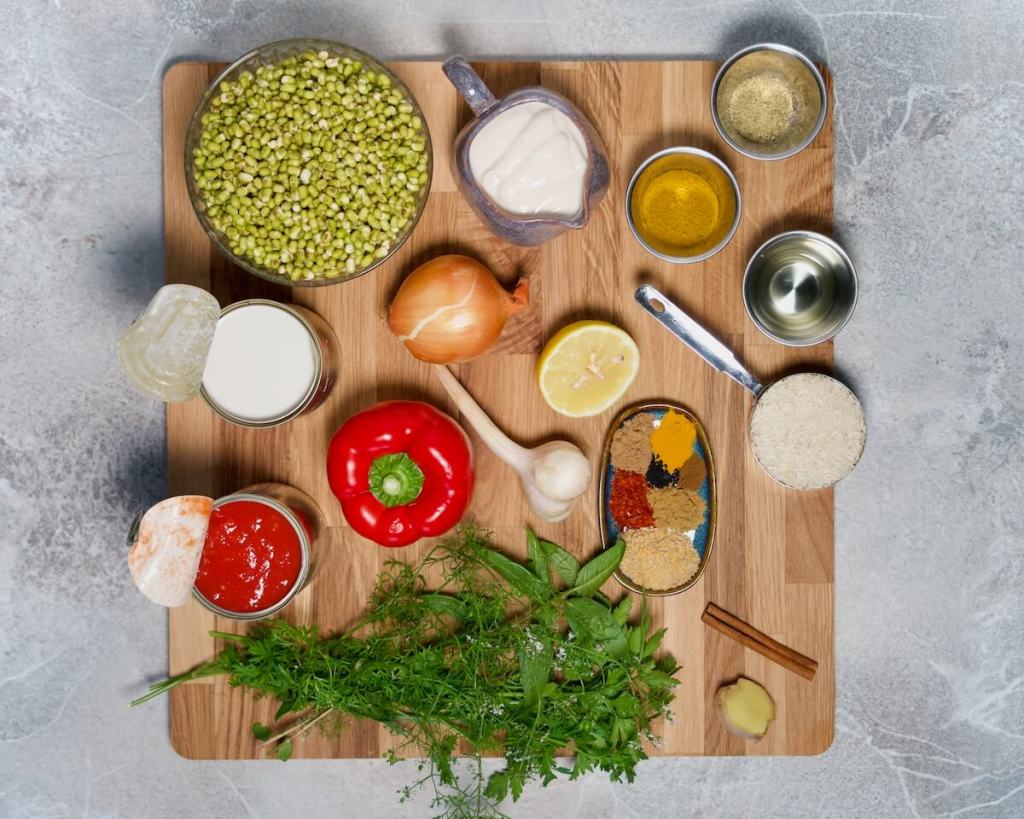
Main Ingredients For Mungbean Curry
- Mungbeans
- Canned Chopped Tomatoes (or fresh ones instead)
- Coconut Milk
- Onion
- Garlic
- Bell Pepper
- Ginger
- Oil
- Soy Yoghurt (as a topping)
- Herbs (I used cilantro and parsley)
- Spices
- Rice or Naan (to go with the curry)
How do I use Mung Beans?
Mung beans, which originate from India, are now widely available in most major Western supermarkets. Typically sold dried and packaged, mung beans require soaking for a few hours or overnight before they are ready to cook. Mung beans can be perfectly used in a variety of dishes, such as curries, soups, and salads. Their versatility makes them a great ingredient for a range of flavourful and healthy meals. Further, they are super healthy, high in protein, iron, and magnesium, with a texture between lentils and beans.
Is this Mungbean Curry recipe meal-prep friendly?
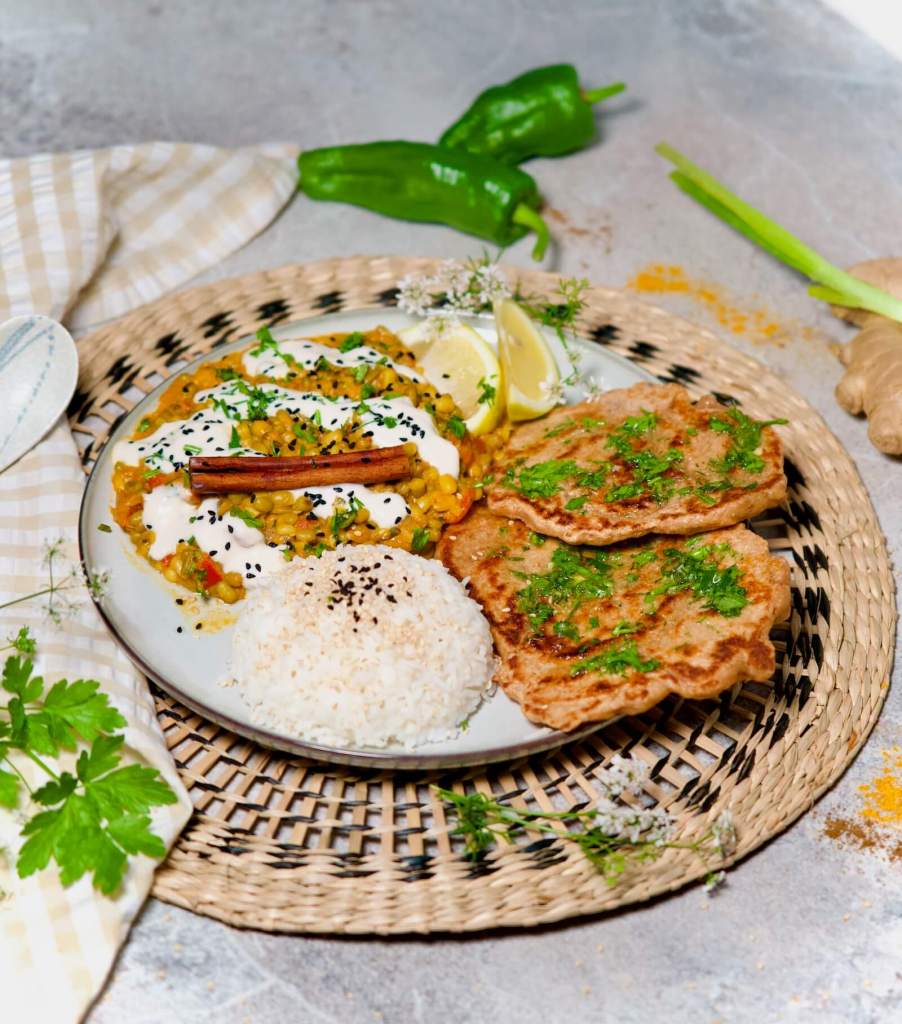
Few dishes are as meal-prep friendly as curries, and this one is no exception. Store it in a sealed container in the fridge for several days. The curry will thicken over time thus add some water when reheating. Pair it perfectly with fresh rice or naan bread. This curry freezes well too. Moreover, many stews, including this one, get more delicious as they sit, allowing flavours to merge and spices to intensify.
It takes quite some time, doesn’t it?
There’s no sugar coating it, preparing this dish takes time, firstly for soaking and cooking the mung beans, which takes 24 hours. The actual cooking involves many ingredients as well, however it all happens in one pot, with spices and canned goods needing no extra preparation. It does require some time, therefore I consider this a weekend activity. You can then make a big batch for meal prep, and store it in the fridge for the week.
What type of veggies go well with mung beans?
One of the things I love about mung bean curry or any curry really, is how flexible it is. You can easily throw in whatever vegetables you have on hand. Spinach, kale or even broccoli work beautifully and cook down into the curry without much effort. I can also see sweet potatoes or pumpkin working really well, adding a bit of sweetness and making the curry heartier. It’s the perfect way to use up odds and ends from the fridge while keeping the dish fresh and exciting.
Spices for Mung Bean Curry (and Easy Substitutions)
This curry has a good handful of spices but don’t let that scare you off. If you don’t have all sorts of spices at home, you can absolutely use a curry madras spice blend instead, it’s a great shortcut. That said, I still encourage you to be brave and try the full mix for this recipe at least once. I know, I know, seeing a long spice list can feel overwhelming but in the end, you’re just mixing them together. In this blend, you’ll find curry madras, fennel seeds, black sesame, turmeric, chilli flakes, cumin, cilantro, clove and a little cinnamon. Together, they make the curry warm, aromatic and just a bit complex — in the best way.

Best Vegan Mungbean Curry – Healthy And So Easy
Ingredients
- 200g/ 1 cup mungbeans (dried)
- 2 tbsp oil
- 1 onion (chopped)
- 4 cloves garlic (chopped)
- 1 tsp ginger (grated)
- 400ml/ 1¾ cups chopped tomatoes
- 400ml/ 1⅓ coconut milk
- salt + pepper (to taste)
Spice mix
- 1 tsp curry madras powder
- 1 tsp fennel seeds
- 1 tsp black sesame
- 1 tsp chilli flakes
- 1 tsp turmeric (powder)
- 1 tsp cumin (powder)
- 1 tsp cilantro (powder)
- ½ tsp clove (powder)
- 1 stick cinnamon
Garnish
- rice or naan
- lemon or lime juice
- vegan yoghurt
- fresh herbs e.g. cilantro and parsley
Instructions
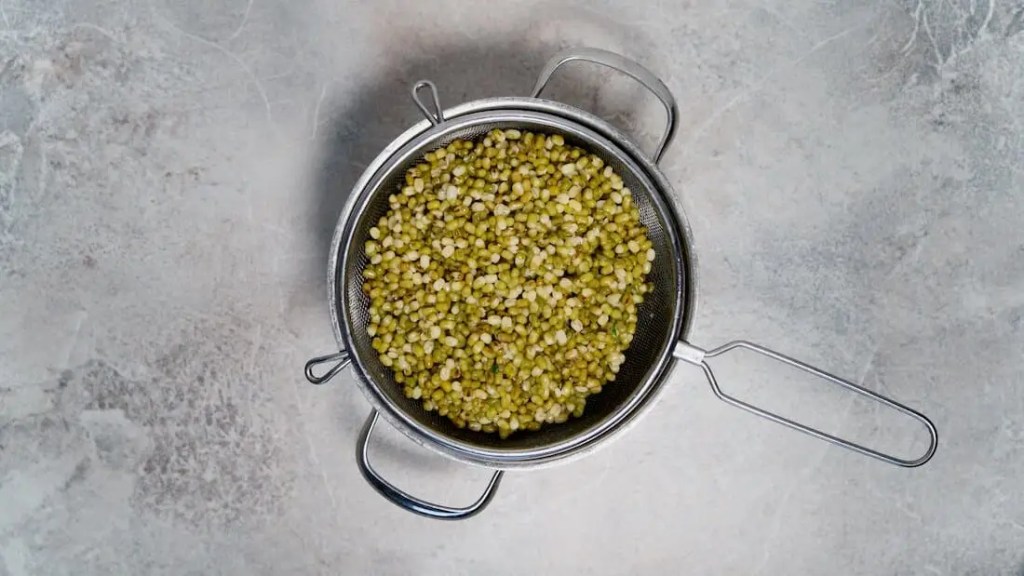
- Soak the mung beans in plenty of water overnight. The next day, cook them for about 30 minutes until they are slightly breaking apart but still retain some texture.
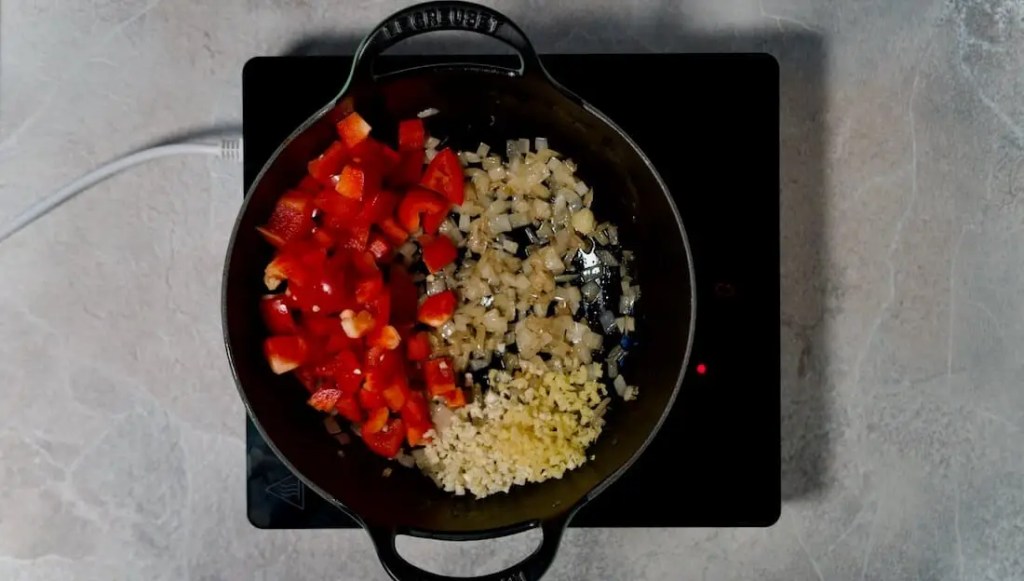
- Chop the bell pepper, garlic, ginger, and onion into small pieces. If using fresh herbs, cut them up as well.

- Heat some oil in a pot, add the chopped onion, and let it brown for 3-4 minutes.

- Next, add the bell pepper, ginger, and garlic, and let it cook for another 5 minutes.
- Before adding the liquid ingredients, mix in all the prepared spices for the curry. Adding the seasonings can dry the vegetables slightly, making them prone to burning. Stir frequently for 2 minutes to prevent sticking or burning.

- Add the cans of coconut milk and chopped tomatoes, along with the cooked mung beans. If you haven't done so already, remember to season generously with salt throughout the cooking process.

- Add a stick of cinnamon and let the curry cook for 20-30 minutes until everything is smooth and combined, and the mung beans have soaked up the creamy, flavorful goodness. Before serving, let it cool slightly, as it will thicken off the stove and develop a more intense flavor. Plate it with rice or naan bread, and squeeze a lemon slice over it. Enjoy!

How to boost this curry with even more protein
If you want to add extra protein to your mung bean curry, there are so many tasty options. Chickpeas or lentils blend in really well with mung beans but I personally love reaching for some toasted nuts, cashews, walnuts or peanuts are my go-to, depending on the recipe. I’m also a big fan of tofu as a protein source. You can cook it right in the sauce if you like a softer texture or bake or pan-fry it for a crispy version to pile on top before serving.
How can I serve my curry?
I love eating mung bean curry with both fresh naan and rice. The bread for scooping, the rice for soaking up all that sauce. A squeeze of lemon on top works so well because the acidity brightens the flavours and makes them pop even more. And I can never skip a spoonful of plain soy yoghurt on the side. It’s such a nice contrast to the rich, flavour-packed curry and gives each bite a cooling and creamy touch.
Did you make this recipe?
Please let me know how it turned out for you, I’m super curious! You can leave a comment below and tag @lordsoftheplants on Instagram and hashtag it #lordsoftheplants for me to see 🙂
Leave a Reply